There’s a specific moment in Central Vietnam, usually around 5:30 PM, when the world seems to split in two.
In Da Nang, the sun dips behind the marble peaks, and the city’s skyline ignites. The Dragon Bridge starts to glow neon, and the smell of saltwater and grilled squid wafts up from the beach clubs along My Khe. It’s high-energy, electric, and unapologetically modern.
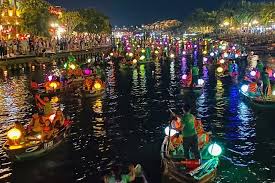
But thirty minutes down the coast in Hoi An, the vibe is entirely different. There, the electricity seems to dim. The yellow-walled alleys swallow the twilight, and thousands of silk lanterns flicker to life. The air smells of sandalwood incense and the damp, earthy river. It feels less like a city and more like a collective memory.
I’ve spent years drifting between these two "sisters," and I’ve realized you can’t truly understand one without the other. They are the pulse and the soul of the coast.
Hoi An: The Golden Hour That Never Ends
If you were to close your eyes and picture "classic" Vietnam, you’re likely seeing Hoi An. This isn’t just a town; it’s a living museum that has somehow escaped the bulldozer of progress.
 The "Why" Behind the Gold
Hoi An wasn't always a quiet sanctuary for travelers. Between the 15th and 19th centuries, this was one of the busiest trading ports in Southeast Asia. Merchants from Japan, China, and Europe would drop anchor here for months at a time, waiting for the trade winds to change.
They didn't just leave their money; they left their architecture and their hearts. That’s why you’ll see a Japanese bridge sitting just blocks away from a Chinese assembly hall and a French colonial shophouse. When the Thu Bon River eventually silted up and big ships could no longer enter, time simply... stopped. While the rest of Vietnam modernized, Hoi An slept, preserving its "Ancient Town" status until UNESCO officially recognized it in 1999.
The Sensory Map
Walking through the Old Town is a full-body experience:
- The Sight: Everything is painted a specific, moody shade of saffron yellow. Against the vibrant pink bougainvillea draping over balconies, it’s a photographer’s fever dream.
- The Sound: In the pedestrian-only zones, the roar of motorbikes is replaced by the clicking of bicycle chains and the rhythmic thwack of a tailor’s scissors.
- The Feeling: It’s humid, yes, but there’s a slowness here that forces your heart rate to drop. You don't "do" Hoi An; you simmer in it.
Da Nang: The City of Bridges and Brine
If Hoi An is the grandmother telling stories by the fire, Da Nang is the ambitious granddaughter building the future. Just a decade ago, most travelers treated Da Nang as a mere transit point, the place where the airport was.
Today? It’s arguably the most livable city in Vietnam.
A Modern Masterpiece
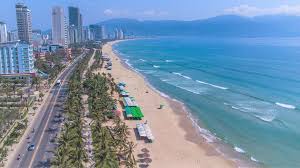
Da Nang is defined by its geography. You have the Son Tra Peninsula (Monkey Mountain) guarding the north, the Marble Mountains rising like stone fingers in the south, and a massive, crescent-shaped beach stretching between them.
 The city is obsessed with its bridges. The Dragon Bridge, which actually breathes real fire and water on weekend nights (typically at 9:00 PM), isn't just a gimmick—it’s a symbol of a city that has risen from the ashes of the war to become a tech and tourism powerhouse.
The Coastal Rhythm
While Hoi An closes early, Da Nang wakes up with the sea. If you’re an early bird, head to My Khe Beach at 5:00 AM. You’ll see thousands of locals swimming, doing Tai Chi, and pulling in fishing nets before the workday begins. By 2026, the city has leaning even harder into its "Creative City" identity, with digital art installations along the Han River and a burgeoning specialty coffee scene that rivals Melbourne or Seoul.
Logistics: The Practical Playbook
Before you pack your bags, let’s talk about the "when" and "how." Central Vietnam has a temperamental climate, and timing is everything.
The Best Time to Visit (2026 Edition)
- February to May (The Sweet Spot): The weather is dry and temperatures are mild (roughly 22°C to 28°C). The sky is that crisp, postcard blue.
- June to August (The Scorcher): It’s beautiful but blistering. Expect 35°C+ days. This is "beach weather," but exploring the Ancient Town at midday will be an endurance sport.
- September to January (The Monsoon): This is the rainy season. Hoi An frequently floods in October and November—sometimes to the point where you’ll need a boat to get to your hotel lobby. It’s poetic, but damp.
Getting Around
The two cities are only about 30km apart.
- Grab: The easiest way. A car from Da Nang to Hoi An will cost you roughly 300,000 - 400,000 VND ($12-$16 USD).
- The Scenic Route: If you’re comfortable on two wheels, rent a scooter. The "coastal road" is a straight shot, but the real magic is taking the backroads through the rice paddies.
To truly understand the rhythm of this coast, you have to leave the main roads and look for the details that the tour buses miss. Part 2 is about the texture of these places—the cold dampness of a cave, the salt spray on a cliffside, and the dizzying spin of a basket boat.
Hoi An’s Living History: Beyond the Postcards
Most people walk the Japanese Bridge, snap a photo, and call it a day. But the real pulse of Hoi An is found inside its Assembly Halls and Old Houses.
The Ancestral Whispers of Tan Ky
If you only visit one historic home, make it the Tan Ky Old House. Walking through its narrow, "tube-shaped" halls, you can see how the architecture was built for business. The front door opens to the bustling street for trade, while the back door opens directly to the river for loading cargo.
- The Detail to Spot: Look at the "door eyes" above the entrance—large wooden carvings meant to protect the house from bad spirits.
- The Resilience: Inside, check the wooden pillars where the Le family has marked the flood levels of previous decades. It’s a sobering reminder that this town doesn't just look old; it survives.
The Fujian Assembly Hall (Phuc Kien)
This is where the Chinese community would gather to worship the sea goddess, Thien Hau. It’s a riot of red and gold, but my favorite part is the "Bach Lieu" parallel sentence—a piece of calligraphy where each of the 100 characters is shaped like a different bird. It’s the kind of artistry that makes you realize why Hoi An was once the envy of the trading world.
Da Nang’s Vertical Wonders
While Hoi An is flat and golden, Da Nang is vertical and green. To see it, you have to go up.
The Marble Mountains (Ngu Hanh Son)
Rising out of the flat coastal plains are five limestone peaks named after the five elements: metal, wood, water, fire, and earth.
- The Huyen Khong Cave: This is the highlight. As you step into the cavern, shafts of light pierce through natural holes in the ceiling, illuminating a massive stone Buddha carved into the wall. If there’s a "spiritual heart" to Da Nang, it’s here, amidst the scent of incense trapped in the cool, damp air.
- The Am Phu Cave: For something entirely different, go to the "Hell Cave" at the base. It’s a vivid, slightly haunting recreation of Buddhist purgatory. It’s kitschy, sure, but the craftsmanship of the sculptures is genuinely impressive.
- Pro Tip: Wear shoes with a good grip. The marble steps are literally polished smooth by centuries of feet and can be incredibly slippery, even when dry.
Son Tra Peninsula: The "Green Lung"
If you ride a scooter north along the coast, the city fades and the jungle takes over. This is Son Tra, home to the 67-meter Lady Buddha.
- The Sight: She stands at the Linh Ung Pagoda, looking out over the bay. At night, she’s illuminated, serving as a lighthouse for the fishermen below.
- The Wildlife: Keep your eyes on the treetops. This is the only place in the world where you can easily spot the Red-shanked Douc Langur, known as the "Queen of Primates." Their five-colored fur is spectacular, but they are shy—bring a zoom lens and stay quiet.
The Basket Boats: Kitsch or Culture?
In the Cam Thanh Coconut Village, just outside Hoi An, you’ll find the famous circular basket boats (thuyen thung). I’ll be honest: it’s chaotic.
You’ll drift through a serene nipa palm forest, which was once a hiding spot for soldiers during the war. Then, suddenly, the quiet is shattered by "Gangnam Style" blaring from a floating speaker while a local boatman spins his basket boat like a top.
- The Reality: It’s a "tourist trap" in the purest sense, but it’s also a vital source of income for the local community.
- The Best Way to Do It: Go at sunset. The light on the water is beautiful, and the "performances" feel less jarring when the sky is turning purple. If you want the thrill, pay the extra 50,000 VND to sit in the boat while they spin you—just don't do it right after lunch.
The Evening Rituals
As night falls, both cities put on a show.
- The Dragon Bridge (Da Nang): Every Friday, Saturday, and Sunday at 9:00 PM, the dragon breathes real fire and then sprays water. The best view isn't on the bridge (where you'll get soaked), but from a riverside cafe on Tran Hung Dao Street.
- The Paper Lanterns (Hoi An): Back in the Ancient Town, the tradition of releasing paper lanterns on the Thu Bon River is mesmerizing. It’s a ritual meant to bring luck, and even though it's crowded, there’s something genuinely peaceful about watching hundreds of tiny lights drift toward the sea.
If you want to understand the heart of Central Vietnam, you have to eat your way through it. This region doesn't just feed you; it tells you its history through recipes that haven't changed in generations.
The Noodle War: Cao Lau vs. Mi Quang
In this part of the world, your choice of noodle is a declaration of where you are.
Cao Lau: The Enigma of Hoi An
Cao Lau is more than a dish; it’s a legend. The noodles are thick, chewy, and have a distinct smoky grey color. Local lore insists they can only be made using water from the thousand-year-old Ba Le Well and mixed with ash from trees on the nearby Cham Islands.
- The Texture: It’s not soft like Pho. It has a "bite" similar to Japanese Udon, likely a relic from the Japanese merchants who lived here in the 1600s.
- The Toppings: Slices of succulent xa xiu (char siu) pork, crispy squares of deep-fried noodle skin (the best part), and a mountain of fresh herbs.
- Where to eat it: Avoid the riverfront tourist spots. Head to Cao Lau Khong Gian Xanh or Ong Hai. It should cost you about 35,000 - 50,000 VND ($1.50 - $2.00).
Mi Quang: The Vibrant Soul of Da Nang
While Cao Lau is stoic and traditional, Mi Quang is a party in a bowl. These are wide, flat rice noodles (often tinted yellow with turmeric) sitting in a shallow pool of rich, savory broth.
- The Variety: Unlike Cao Lau’s strict pork-only rule, Mi Quang welcomes everyone: shrimp, chicken, boiled quail eggs, and even frog. It’s topped with crushed peanuts and a giant, crispy sesame rice cracker (banh da).
- The Ritual: You crumble the cracker into the bowl to add a smoky crunch to every bite.
- Where to eat it: In Da Nang, look for Mi Quang Ba Mua or Mi Quang Co Chi.
The Tailor’s Art: A Survivor’s Guide
Hoi An is world-famous for its 24-hour tailoring, but the experience can be overwhelming. You’ll be beckoned into shops every ten feet. Here is how to walk out with a suit or dress you actually love:
- Don’t go for the "24-hour" promise if you can help it. While they can do it, the best quality comes from having at least two fittings. Give them 3 days.
- Bring a photo. The tailors here are incredible mimics. If you saw a designer coat on Pinterest, show them.
- Know the Tiers. * High-End: Yaly Couture or A Dong Silk. You’ll pay more (Suits: $250+), but the fabric selection and service are world-class.
- Mid-Range: Be Be Tailor or Kimmy. Great balance of price and precision.
- The "Hidden" Gems: Wander off the main streets to Tony the Tailor for a more personal, family-run feel.
Practical Playbook: 2026 Edition
The Dress Code
Vietnam is generally relaxed, but the Ancient Town temples and Assembly Halls are sacred.
- The Rule: Shoulders and knees must be covered. Carry a light linen scarf in your bag to wrap around yourself if you’re wearing a tank top or shorts.
- Footwear: You’ll be taking your shoes off frequently at the Marble Mountains or inside old houses. Wear slip-ons or sturdy sandals (like Tevas or Birkenstocks).
Getting Between Cities
- Private Car: The most comfortable. Roughly 300,000 VND for a 45-minute door-to-door ride.
- The Shuttle Bus: Great for solo travelers. Companies like April Adventure run frequent vans for about 220,000 VND ($9).
- The Adventurer’s Choice: Rent a motorbike in Da Nang, ride to Hoi An via the coastal road, and have the rental company drop your luggage at your hotel.
Final Thoughts: The Lingering Scent of Incense
As I sit by the Hoai River on my last night, watching the yellow lanterns bob on the water, I realize that the magic of the Central Coast isn't in the "sights" you check off a list. It’s in the transition—the way the neon chaos of Da Nang gives way to the quiet, incense-heavy air of Hoi An.
It’s a place that asks you to slow down, to notice the way the light hits a yellow wall, and to appreciate that sometimes, the best way to see a city is through the steam of a $2 bowl of noodles.