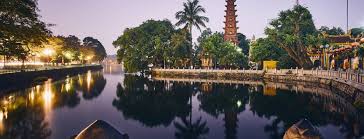
Why Hanoi Gets Under Your Skin
The first time I arrived in Hanoi, I remember thinking: this city doesn’t introduce itself gently. It engulfs you.
The air felt thick - humid, fragrant, alive. Motorbikes streamed past in hypnotic waves. Women in conical hats balanced bamboo poles stacked with fruit. Someone was grilling pork on a sidewalk. Someone else was pouring strong, dark coffee through a metal phin filter. The soundscape was a constant hum of engines, laughter, bargaining, clinking bowls.
And yet, somehow, I felt calm.
That’s the contradiction at the heart of any honest Hanoi travel guide: it’s chaotic on the surface and deeply grounded underneath. Hanoi isn’t flashy. It doesn’t try to impress you. It simply exists, layered, proud, stubbornly authentic.
As Vietnam’s political capital and cultural soul, Hanoi carries more than a thousand years of history in its streets. It’s a place where ancient temples stand beside fading French villas, where revolutionary slogans hang over boutique coffee shops, where grandmothers practice tai chi at dawn while teenagers film TikToks at dusk.
If you’re researching things to do in Hanoi, you’ll find long lists. But the truth? Hanoi is less about checking off sights and more about learning its rhythm. The reward comes when you slow down.
A City of 1,000 Years – Understanding Hanoi’s History
To understand Hanoi, you have to understand its resilience. This city has been conquered, colonized, bombed, rebuilt, and modernized and through it all, it has held tightly to its identity.
From Thang Long to Hanoi
Hanoi’s story begins in 1010, when Emperor Ly Thai To chose this site as the capital of his kingdom. He named it Thang Long, meaning “Ascending Dragon,” after reportedly seeing a dragon rise from the Red River.
Standing in the ancient grounds of the Temple of Literature, I could feel that weight of history. Founded in 1070, it was Vietnam’s first national university, a Confucian academy that trained scholars and mandarins for centuries. The courtyards are quiet now, shaded by banyan trees, but the sense of reverence lingers.
Chinese rule deeply influenced early Hanoi. Confucian values, architecture, and bureaucracy shaped its foundation. Even today, you can see that influence in temple layouts and family traditions.
But Hanoi was never just a copy of somewhere else. It absorbed outside influence and made it distinctly Vietnamese.
French Colonial Echoes
Fast-forward to the late 19th century, when the French arrived. They reshaped Hanoi dramatically.
Wide boulevards cut through the city. Shuttered villas rose in pastel yellows. Lakes were framed with wrought iron fences. And perhaps most visibly, the French introduced a new architectural grandeur.
The Hanoi Opera House, modeled after the Palais Garnier in Paris, still stands as a symbol of that era. When I first saw it glowing in the evening light, I had to remind myself I was in Southeast Asia, not Europe.
But the French influence wasn’t just visual, it seeped into daily life:
- Banh mi evolved from French baguettes.
- Coffee culture flourished.
- Butter, pâté, and pastries became local staples.
Even Hanoi’s beloved egg coffee traces its origins to this blending of cultures.
There’s something almost poetic about sipping espresso on a tiny plastic stool under a faded colonial balcony while motorbikes zoom past. It’s not Paris. It’s something more layered.
War, Resilience & Modern Identity
The 20th century brought conflict and enormous hardship. During the American War (known in Vietnam as the Resistance War Against America), Hanoi endured heavy bombing.
Walking near the lakes, I once stumbled upon a preserved B-52 wreckage site, a reminder that history here isn’t abstract. It’s embedded in concrete and memory.
Then there’s the solemn presence of the Ho Chi Minh Mausoleum. The line to enter is long and quiet. Guards in white uniforms maintain strict order. Inside, visitors pass silently by the preserved body of Ho Chi Minh, the revolutionary leader who declared Vietnam’s independence.
You don’t have to be political to feel the gravity in that space.
What fascinates me most is how Hanoi balances its socialist identity with modern capitalism. Red flags wave above luxury malls. Communist slogans hang over artisan gelato shops. Young entrepreneurs build startups while elderly men play chess on the sidewalk.
Hanoi doesn’t erase its past to move forward. It stacks new layers on top.
The Neighbourhoods Where Hanoi Reveals Itself
Every great city reveals itself through its neighbourhoods. In Hanoi, each area feels like a different chapter in the same long story.
The Old Quarter – The Beating Heart
If you’ve seen photos of Hanoi’s tangled streets and low plastic stools spilling onto sidewalks, chances are you were looking at the Hanoi Old Quarter.
This is where most first-time visitors stay and for good reason. 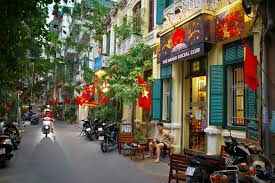
The Old Quarter dates back to the 13th century, when guilds of artisans gathered here. Each of the “36 streets” was historically dedicated to a specific trade: silk, silver, paper, herbs.
Today, that structure has blurred, but the energy remains electric.
Here’s what I notice when I wander here at dawn:
- The smell of simmering pho broth.
- Metal shutters rattling open.
- Elderly women sweeping sidewalks.
- The sharp sweetness of jackfruit.
- The constant ballet of motorbikes weaving around pedestrians.
It’s chaotic, yes, but it’s organized chaos. The key is confidence when crossing the street. Don’t hesitate. Move steadily. The scooters flow around you like water.
Where to stay in the Old Quarter:
- Budget hostels: $4–15 USD per night
- Boutique hotels: $20–80 USD
- Upscale stays: $80–200 USD
If you want to be in the middle of the action, this is it.
Hoan Kiem Area – Lakeside Calm
Just south of the Old Quarter sits Hoan Kiem Lake, the spiritual heart of Hanoi.
Early in the morning, I love walking around the water. Locals practice tai chi. Couples dance. Grandparents stretch beside teenagers blasting pop music from Bluetooth speakers.
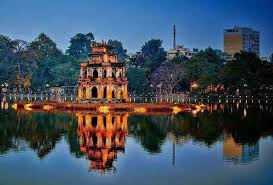
At the center of the lake sits Ngoc Son Temple, reached by a bright red bridge. According to legend, a magical turtle reclaimed a sacred sword here after Vietnam defeated Chinese invaders.
Whether you believe the myth or not, the lake has a peaceful energy that softens the city’s edges.
This area offers:
- Boutique hotels
- Lakeside cafés
- Easy access to major attractions
- Slightly quieter evenings than the Old Quarter
It’s ideal if you want convenience without full-on sensory overload.
French Quarter – Elegance & Grandeur
South of Hoan Kiem lies a different Hanoi altogether.
Tree-lined boulevards.
Government buildings.
Embassies.
Luxury hotels.
The French Quarter feels more spacious, more polished. The iconic Sofitel Legend Metropole Hanoi has hosted writers, diplomats, and celebrities for over a century. Even if you’re not staying there, having a cocktail in its courtyard feels like stepping back in time.
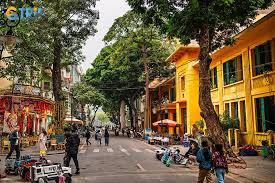
This area suits travellers who prefer refined surroundings and upscale dining.
West Lake (Tay Ho) – Sunsets & Slow Mornings
A short ride north takes you to Tay Ho, Hanoi’s expat-friendly district centered around West Lake.
Here, the pace slows. Cafés overlook the water. Yoga studios fill with long-term residents. International restaurants sit beside local seafood spots.
I like coming here at sunset. The sky turns peach and lavender, reflecting off the water while fishermen cast quiet lines.
It’s not as touristy. It feels lived-in.
Essential Things to Do in Hanoi
When people ask me about the best things to do in Hanoi, I always pause before answering. Because yes there are landmarks, museums, temples. But Hanoi isn’t a checklist city. It’s experiential. The magic happens in the in-between moments.
Still, there are places that anchor your understanding of the city. Here’s where I always send friends first.
Wander the Old Quarter at Dawn
Most visitors experience the Hanoi Old Quarter at night neon lights, beer corners, crowds. But dawn is when it feels most honest.
I like to wake up around 5:30 a.m., before the tour groups and selfie sticks appear. The air is cooler. The streets are quieter, but not empty.
You’ll see:
- Street vendors assembling their pho carts.
- Fresh herbs being rinsed in metal basins.
- Men unloading crates of dragon fruit from motorbikes.
- Locals eating breakfast on knee-high plastic stools.
Order a bowl of pho from a place with no English menu. Point, smile, sit down. It will likely cost 40,000–60,000 VND ($1.50–$2.50 USD). The broth will be clear, fragrant, layered with star anise and cinnamon. Lime and chili on the side.
That first spoonful? That’s Hanoi introducing itself properly.
Hoan Kiem Lake & Ngoc Son Temple
At the center of the city lies Hoan Kiem Lake, and within it, the small but symbolic Ngoc Son Temple.
The name “Hoan Kiem” means “Lake of the Returned Sword.” According to legend, Emperor Le Loi was given a magical sword to defeat Chinese invaders. After victory, a golden turtle emerged from the lake and reclaimed it.
Myth or not, the lake feels sacred.
Best time to visit:
- Early morning (5:30–8 a.m.) for local life
- Late afternoon for golden light
Entrance fee to Ngoc Son Temple:
~30,000 VND ($1–$1.50 USD)
Inside, you’ll see altars, incense smoke curling upward, and preserved giant turtle specimens slightly eerie, completely fascinating.
Walk the entire loop around the lake. It takes about 30 minutes if you go slowly, which you should.
Temple of Literature – Vietnam’s First University
The Temple of Literature is one of those places that instantly slows your breathing.
Built in 1070, it honors Confucius and housed Vietnam’s first national university. Stone turtles carry engraved doctoral names on their backs, a symbol of wisdom and longevity.
I love the symmetry of its courtyards. Lotus ponds reflecting tiled roofs. Students in white ao dai dresses taking graduation photos. The quiet feels deliberate.
Entrance fee: ~70,000 VND ($3 USD)
Dress respectfully: Shoulders and knees covered.
If you want to understand Hanoi’s intellectual backbone, come here.
Ho Chi Minh Mausoleum – A Somber Experience
Few places in Vietnam carry the gravity of the Ho Chi Minh Mausoleum.
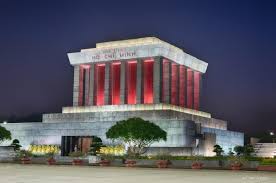
The building itself is stark, monumental. Guards enforce strict rules:
- No shorts
- No sleeveless tops
- No photos inside
- Silence at all times
The line can be long, especially on weekends. But once inside, the atmosphere shifts. It’s cold, dimly lit. Visitors walk in two silent lines around the glass case containing Ho Chi Minh’s embalmed body.
Regardless of politics, it’s powerful to witness how deeply respected he remains.
Entry is free, but check opening days, it’s closed Mondays and Fridays and during annual maintenance.
Train Street – Reality vs Instagram
Yes, it exists. Yes, the train really passes inches from houses.
Hanoi Train Street became famous on Instagram, but it’s more complicated than it looks online.
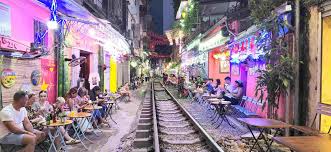
Originally, this was simply a narrow residential railway corridor. Now, cafés line the tracks. Staff will ask you to move your chair seconds before the train roars past.
Important: Authorities frequently restrict access for safety reasons. Go with awareness and respect.
When the train comes, it’s intense, metal grinding, wind rushing, everyone holding their breath. Then silence again. Locals sweep the tracks as if nothing happened.
It’s surreal. But remember, people live here.
Water Puppet Show – Folk Art on Water
One of my favorite low-key cultural experiences is a performance at the Thang Long Water Puppet Theatre.
Water puppetry dates back to rural northern Vietnam, where flooded rice paddies became impromptu stages. Puppeteers stand waist-deep in water behind screens, controlling wooden puppets with long rods.
The shows are lively, dragons, farmers, fish, fireworks, accompanied by live traditional music.
Ticket price:
100,000–200,000 VND ($4–$8 USD)
It’s touristy, yes. But it’s also genuinely charming.
Hanoi’s Street Food – What & Where to Eat
If you leave Hanoi hungry, that’s on you.
The street food in Hanoi isn’t just sustenance, it’s social glue. People eat outside because it’s cooler, cheaper, more communal.
Pull up a stool. Eat where it’s busy. Trust your nose.
Pho – The Breakfast Ritual
Pho in Hanoi is different from southern versions. The broth is lighter, clearer, more restrained.
Look for spots where:
- Locals outnumber tourists.
- The menu is short.
- The broth simmers in a giant steel pot.
A bowl costs 40,000–60,000 VND.
Add chili. Squeeze lime. Slurp without shame.
Bun Cha – Obama’s Dinner
If you’ve seen that famous 2016 photo of Barack Obama eating in Hanoi, it was bun cha.
Grilled pork patties and slices swim in a sweet-savory fish sauce broth. You dip rice noodles and herbs into it.
One of the most famous spots is Bun Cha Huong Lien, often called “Obama Bun Cha.”
Cost: 60,000–80,000 VND ($2.50–$3.50 USD)
Smoky, sweet, addictive.
Egg Coffee – Hanoi’s Sweet Obsession
Egg coffee sounds strange. It shouldn’t work.
But it does.
At places like Cafe Giang, where it was invented in the 1940s, whipped egg yolk and condensed milk form a creamy cap over strong Vietnamese coffee.
It tastes like tiramisu melted into espresso.
Price: 35,000–50,000 VND ($1.50–$2 USD)
Sit upstairs. Watch the street below.
Other Must-Try Dishes in Hanoi
- Banh cuon – delicate steamed rice rolls with pork
- Cha ca – turmeric fish sizzling with dill
- Banh mi – crusty baguette stuffed with pâté and herbs
- Xoi – sticky rice with savory toppings
Vegetarian tip: Look for “chay” (vegetarian) signs near Buddhist temples.
Hygiene tip: Choose busy stalls; high turnover means fresh food.
Budget: You can easily eat well all day for under $10 USD.
Day Trips from Hanoi – When You Need to Leave (But Not for Long)
As much as I love sinking into Hanoi’s rhythm, part of the city’s magic is how easily it opens the door to northern Vietnam’s landscapes. Within a few hours, the scenery shifts from traffic-filled streets to limestone cliffs, rice paddies, and misty mountains.
If you have extra days in your Hanoi itinerary, these are the escapes I recommend.
Ha Long Bay – The Iconic Seascape
You’ve seen the photos: emerald water, towering limestone karsts, traditional wooden boats drifting between them. It’s cinematic for a reason.
Ha Long Bay sits about 2.5–3 hours from Hanoi by road. Most people book overnight cruises, and I’m glad I did. Seeing the bay in late afternoon light, when the tour buses leave and the water softens to silver, feels entirely different from a rushed day trip.
Cruise options:
- Budget (day trip): $40–60 USD
- Mid-range overnight: $120–200 USD
- Luxury cruise: $250–500+ USD
Kayaking through quiet lagoons was my favorite moment. No engines. Just the sound of water brushing limestone.
Is it touristy? Yes. Is it still worth it? Also yes.
Ninh Binh – “Ha Long Bay on Land”
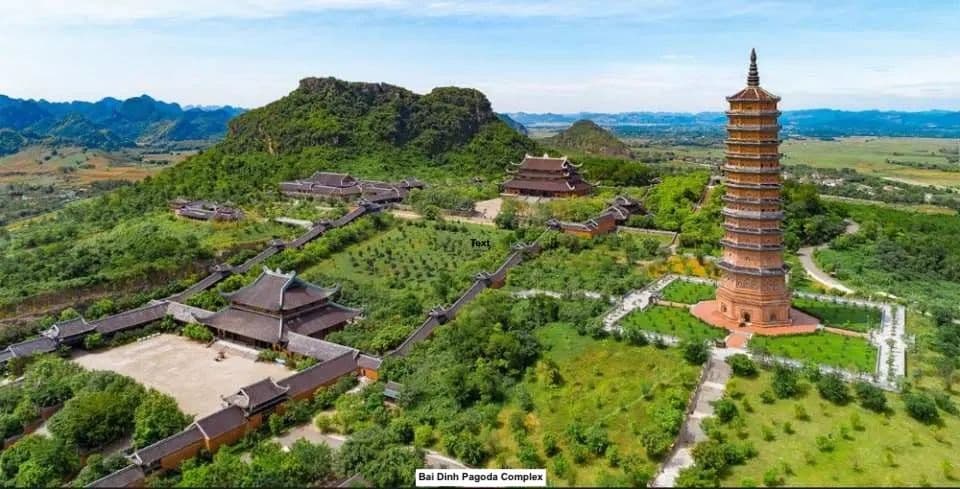
If you prefer fewer crowds and more grounding experiences, head to Ninh Binh, about 2 hours south of Hanoi.
Here, limestone peaks rise from rice fields instead of the sea. Locals row small boats through winding river caves at places like Trang An and Tam Coc.
I rented a bicycle and pedaled past water buffalo, lotus ponds, and tiny villages. The air smelled like wet earth and greenery, a relief after Hanoi’s exhaust fumes.
Day trip cost from Hanoi:
$40–70 USD organized tour
Or ~$10–15 USD by train/bus each way if independent
If you have time, stay overnight. The countryside feels magical at sunrise.
Sapa – Mountain Air & Rice Terraces
Further north lies Sapa, famous for its terraced rice fields and ethnic minority communities.
It’s about 5–6 hours from Hanoi by bus or train (plus transfer). The climate is cooler, sometimes dramatically so.
I trekked through rice terraces with a local Hmong guide who laughed easily and walked twice as fast as I could. The hills rolled endlessly, layered in green.
Good to know:
- Best months for rice terraces: May–September
- It can get foggy and cold in winter
- Choose homestays carefully; read reviews to support ethical tourism
Sapa feels like a different country entirely, but Hanoi is still your gateway.
Practical Travel Tips for Hanoi
Let’s talk logistics, the things you’ll be glad you knew beforehand.
Best Time to Visit Hanoi
Hanoi has four seasons, and they’re more distinct than many travelers expect.
Spring (March–April):
- Mild temperatures
- Occasional drizzle
- Flowers blooming
Summer (May–August):
- Hot and humid (30–38°C / 86–100°F)
- Heavy afternoon rains
- Lush greenery
Autumn (September–November):
- My favorite
- Cooler air
- Golden light, less humidity
Winter (December–February):
- Surprisingly chilly (10–18°C / 50–64°F)
- Gray skies
- Locals in puffer jackets
If someone asks me the best time to visit Hanoi, I say October without hesitation.
How to Get to Hanoi
Most international travelers arrive via Noi Bai International Airport.
From the airport to the Old Quarter (about 30–45 minutes):
- Grab (ride-hailing app): $10–15 USD
- Taxi: Similar price (use reputable companies)
- Public bus: ~$1–2 USD
Vietnam offers visa exemptions for certain nationalities and e-visas for many others. Always check current rules before departure.
Getting Around the City
Hanoi looks walkable, and parts of it are, but traffic changes the experience.
Best options:
- Grab motorbike taxis (cheap and fast)
- Grab cars (air-conditioned comfort)
- Walking (inside Old Quarter)
- Cyclos (touristy but fun for short rides)
Now, about crossing the street.
Here’s the trick:
Walk slowly and steadily. Don’t run. Don’t stop suddenly. The motorbikes flow around you like a school of fish adjusting to a rock.
The first time I did it, my heart pounded. By day three, I felt like a local.
Costs & Budget in Hanoi
Hanoi remains affordable compared to many Asian capitals.
Daily budget breakdown (mid-range traveler):
- Accommodation: $40–80 USD
- Food: $10–20 USD
- Attractions: $5–15 USD
- Transport: $5–10 USD
You can travel comfortably on $60–100 USD per day, less if you’re on a backpacker budget.
Cash is still king for street food, though cards are accepted in hotels and larger restaurants.
Dress Codes & Cultural Etiquette
Hanoi is modern, but modesty still matters in certain places.
When visiting temples or the Ho Chi Minh Mausoleum:
- Cover shoulders
- Cover knees
- Remove hats
- Speak softly
Public displays of anger are frowned upon. Bargaining in markets is normal, but keep it friendly.
And always, always treat national symbols with respect.
The Feeling You Take Home
Hanoi isn’t polished. It doesn’t try to be easy. It challenges your senses before it charms you.
But somewhere between your third bowl of pho and your fifth attempt at crossing the street, something shifts. The noise becomes music. The chaos becomes choreography.
You start to notice details:
- Incense drifting from a hidden temple.
- Elderly men debating politics over tea.
- The glow of lanterns reflecting on wet pavement after rain.
Hanoi doesn’t demand that you love it immediately. It grows on you quietly. Then suddenly, it’s under your skin.
And long after you leave, you’ll crave that first sip of egg coffee again.